

Your first U.S. rental, in the right order.
28 days from knowing nothing to making your first offer. A short lesson each day, a few tasks after it, and the tools to finish them.
$299 once. Lifetime access. 30 day refund.
28 days
One lesson a day
One lesson a day
4 strategies
House hack, hold, BRRRR, flip
Hack, hold, BRRRR, flip
1 goal
Your first offer
Your first offer
The problem
Two hundred hours of videos. Forty saved listings. Still no offer.
The information is endless, and almost none of it arrives in an order you can act on.
- Conflicting advice from every direction
- Plenty of theory, almost no next step
- No way to decide which city to start in
- The fear of making one expensive mistake
You don't need more information. You need the right order.

Inside the course
28 short video lessons. Real work after each one.
Every day is one short video, 2 to 6 minutes, then a few tasks: compare two cities, call a lender, run the numbers on a listing. The calculators and templates are already inside. Four weeks later you have a market, a lender and your first offer written, which is further than two hundred hours of YouTube got most of us.
- 5 calculators to check a deal before you offer
- 9 checklists and templates, pre-approval to closing
- Lenders and tax pros who work with beginners
- Your next steps as a landlord, flipper or BRRRR investor
Day 21
Analyzing a rental property
 4:38
4:38Today's tasks
3 of 4- Watch the lesson
- Run the rental calculator
- Analyze the deal with the template
- Submit your analysis
Mortgage
Monthly payment
- Loan$1,102
- Taxes$220
- Insurance$90
- Price$245,000
- Down25%
- Rate6.0%
A clear, step by step path
From first lesson to first offer.
By day 28 you know the numbers, your LLC and bank account are set up, a lender has pre approved you, and you are ready to make offers on real deals.
Learn
Days 1 to 7
The language, the numbers that matter, and your first buy box.

Analyze
Days 8 to 14
One city and one submarket, chosen on real data rather than a hunch.

Get funded
Days 15 to 21
Your LLC and bank account set up, lender calls made, and a pre approval in hand.

Make the offer
Days 22 to 28
Comps run, the property toured, and your first offer written.
Four ways to invest
Four ways in. One fits your cash.
Each one comes with step by step guidance. Pick the one that matches your cash, your time and your risk.
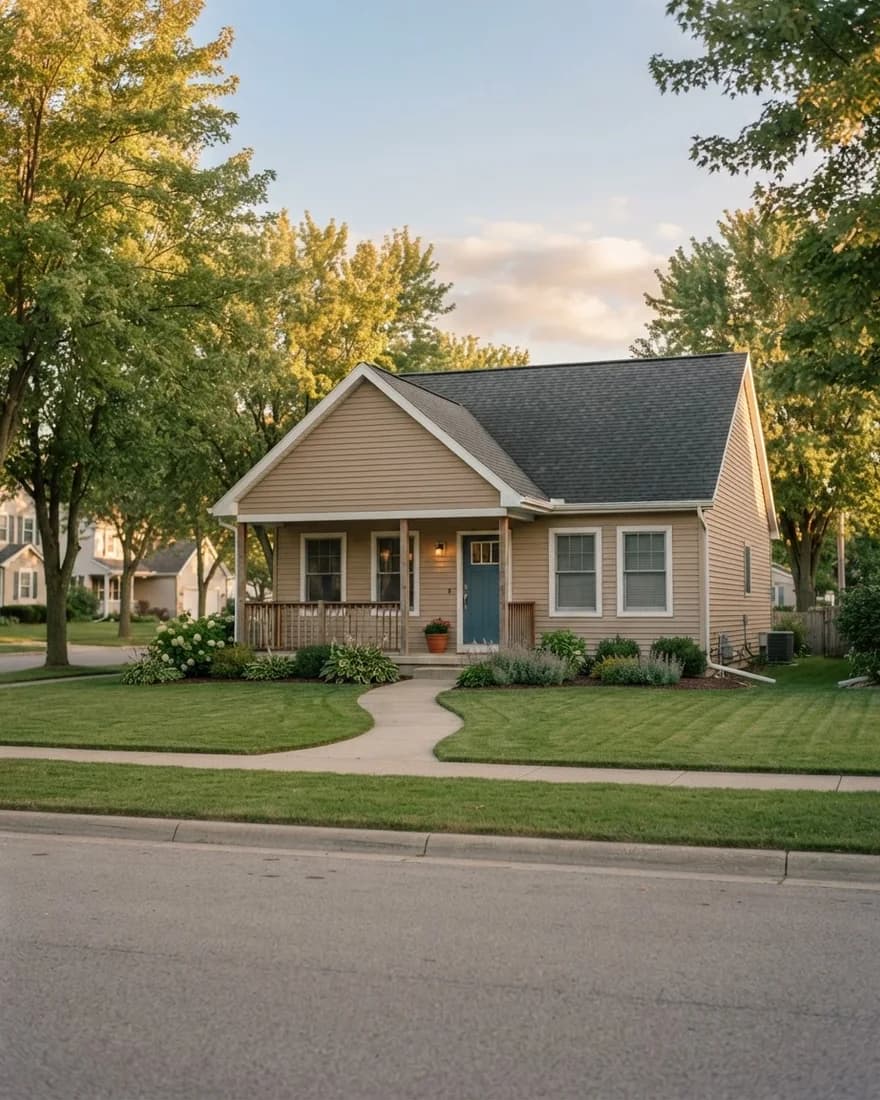
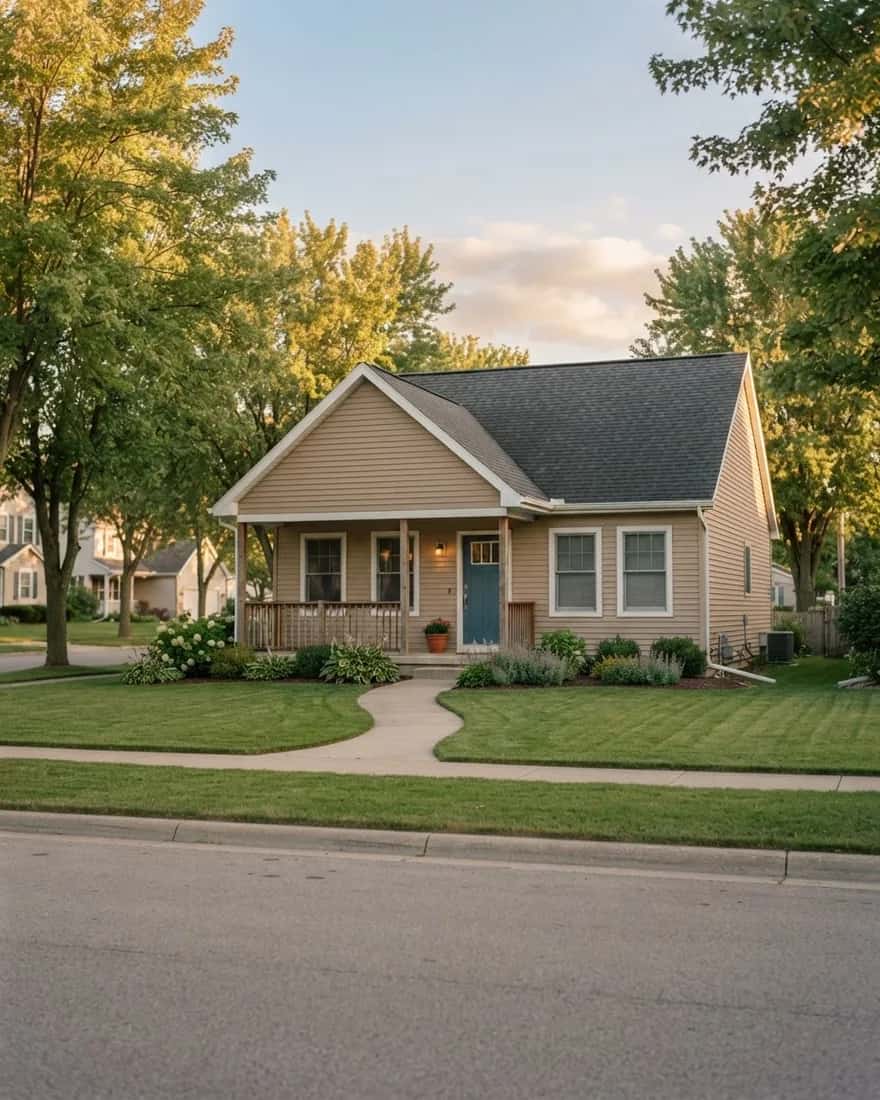
Own it, rent it, let the loan get paid down.
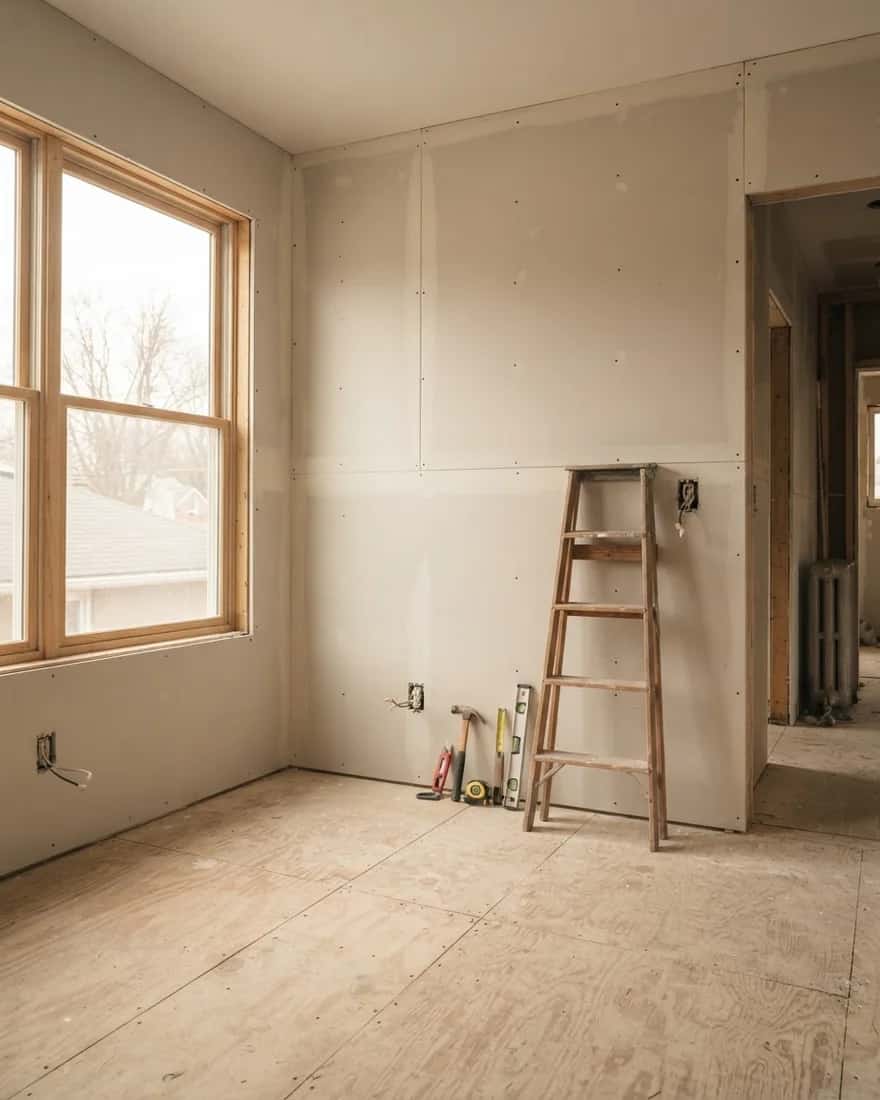
Buy, improve, rent, refinance, then repeat.
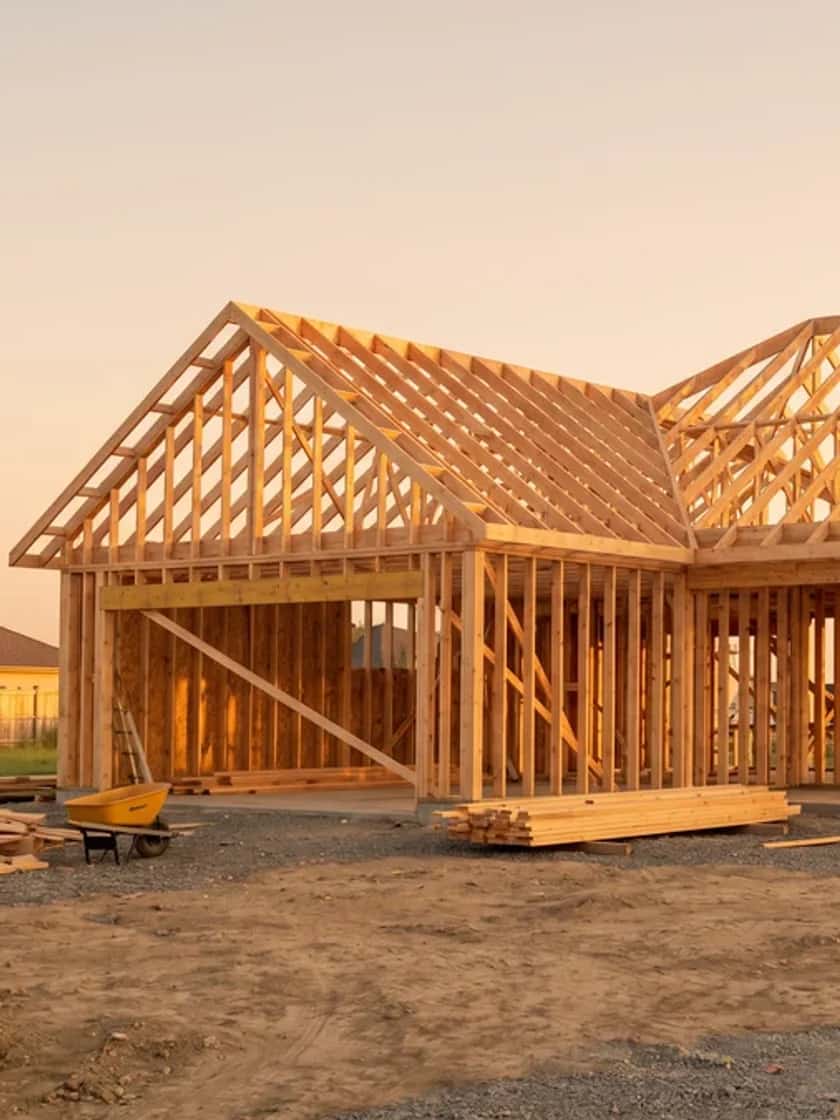
Shorter timeline, higher risk, different numbers.
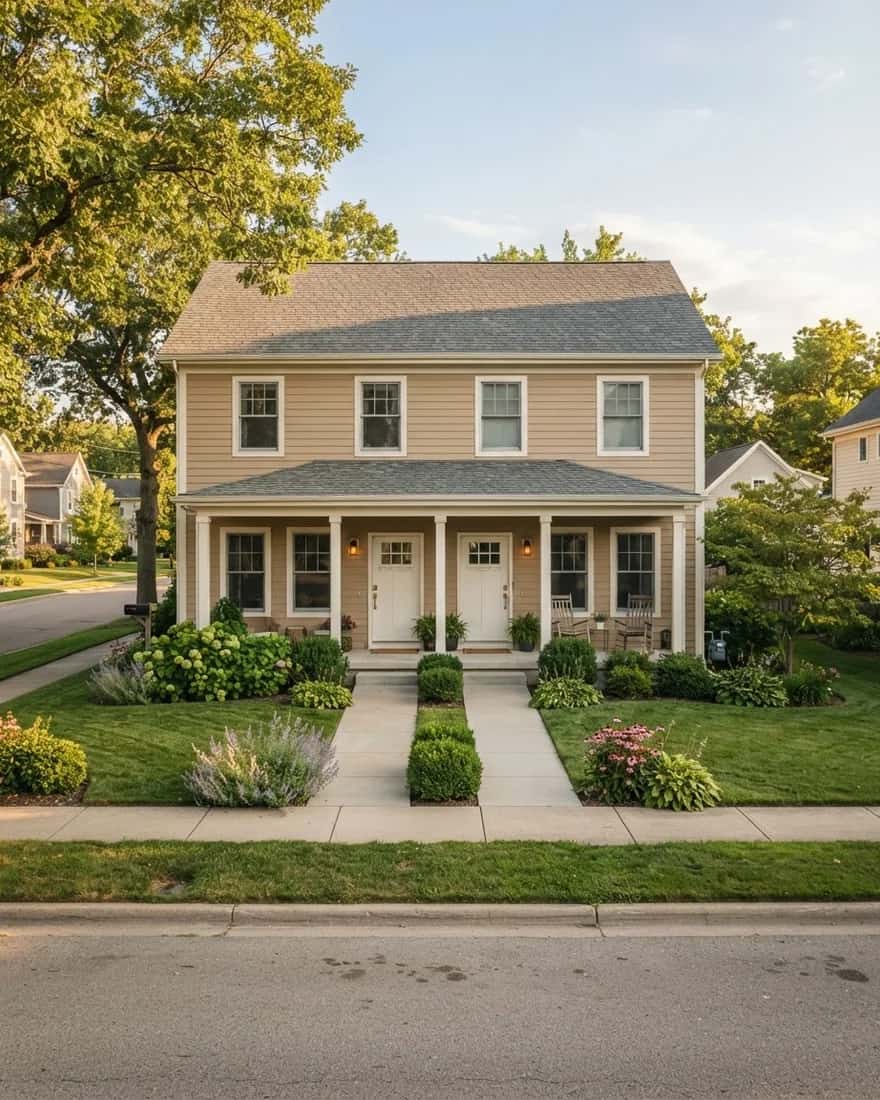 Least cash
Live in one unit, rent the other, cover the payment.
An honest fit check
This is not for everyone.
Two minutes here is worth more than a course you never open. Read both columns before you decide.
Built for you if
Most peopleYou are starting from zero and want to know what to do next.
- You have never bought an investment propertyDay 1 starts at what a cap rate is, not at advanced structuring.
- You keep researching and never decideEvery day ends with one thing done, which is what breaks the loop.
- You have some savings and no plan for themWeek 2 turns a number in your account into a written buy box.
- You would rather avoid one bad decision than chase a great oneMost of the course is about the mistakes that cost the most money.
- You want a plan to follow, step by step28 days in sequence, each one building on the last.
Not for you if
The course will not serve you well, and we would rather say so now than take the money.
- You already own rentalsYou will know most of weeks 1 and 3 already.
- You want a list of deals handed to youThere is no deal list. You learn to find them and judge them.
- You want income without doing the workBudget three to five hours a week for four weeks.
- You need the money back this quarterProperty does not move on that timeline, and neither does this.

Ready when you are
Four weeks is coming either way.
One version of you has watched more videos. The other has an LLC, a lender, a market, and a first offer written.
$299 once. Lifetime access. 30 day refund.
- 9 checklists and templates
- 5 calculators with saved scenarios
- Vetted lender and tax contacts
- Lifetime access, no subscription
In their words
What people say about the course.
Reactions to the curriculum.
I'm 22. Every other course assumed I had $80k sitting around. The house hacking week was the first thing that made this feel possible rather than theoretical.
Marcus T.First-time investor · Atlanta, GA Buying in the US from outside it sounded mad to me. The course covers the parts that are different: taxes, financing, doing it at a distance.
Maya K.Investing from abroad · Tel Aviv Haven't bought anything yet. But I know exactly why I passed on the last three, and that is genuinely new for me.
Tom R.Still looking · Charlotte, NC
Sixty seconds
Plain English answers, one minute each.
The same explanations, cut down to the length of a coffee queue.
Free to read
The long version, when you want it.
Seventy four articles, no email required, written the same way the course is.
I don't have enough money to invest in real estate.
You probably need less than you think. The course covers low down payment paths, house hacking, BRRRR, DSCR and partner structures: real ways to structure a deal without six figures of cash. The point is to show how the system works, not to tell you to wait until you're rich.
How much time does it take? I work full time.
Each lesson runs 2 to 6 minutes. The tasks after it are the real work: plan on three to five hours a week for the four weeks, about 30 to 45 minutes a day. Lender calls and property tours run on other people's schedules, so some days take longer and some take ten minutes. It was built for people with a job.
What if I lose money, or the market crashes?
Conservative analysis, a long horizon and data driven market selection are how beginners protect themselves, not by trying to time anything. The course teaches the margin of safety math, cashflow buffers, careful rent assumptions and reserves, so a first deal still works if conditions move.
I'm not American. Can I still use this?
Yes. The course covers foreign national financing paths, U.S. tax basics for non resident investors, and how to operate remotely with local support.
I'm bad with numbers. Is this math heavy?
Only a handful of numbers matter, and each one gets a plain explanation, a worked example and a calculator. You don't need spreadsheet fluency. You need to know what a good number looks like and why.
I've bought courses before and been disappointed.
Fair. Most courses are content libraries and you finish more confused than you started. This one is built around daily tasks that produce one complete working file: a real buy box, a shortlist of markets, a lender comparison, analyzed deals.
Is $299 expensive for a course?
Against free videos, yes. Against the wrong ZIP code, the wrong lender, or paying eight percent over on your first property, it's the opposite. It pays for itself if it prevents one avoidable mistake on a purchase worth six figures.
What if I buy it and it is not what I thought?
Write to us within 30 days and we refund it, no reason needed and no form to fill in. Your access stays open for 48 hours after that so you can save your notes. We would rather give the money back than have somebody sitting on a course they are not using.
Can I really buy a property in 28 days?
No, and we don't claim it. By day 28 your LLC and bank account are set up, you have a pre approval, a market and a buy box, and you are ready to make offers. Closings run on legal timelines that reach past day 28.
I don't know which city to invest in.
That's week 2. You work through a framework using census, jobs and rent data plus crime and flood checks, narrowing from broad interest down to one city and one submarket on objective criteria. It's built to end analysis paralysis rather than extend it.
If none of those stopped you, the next step is day one. $299 once, lifetime access.
Start the 28 day plan