In this article11 sections
- Step 1: Does the rental math work here?
- Step 2: How do you check crime in a neighborhood?
- Step 3: Check school ratings
- Step 4: Use Census tract data
- Step 5: Visit at three different times
- Step 6: Talk to residents and a property manager
- Step 7: What's planned nearby, and what rules apply?
- Fair housing: research the place, not the people
- Putting it together: a one-page checklist
- When this process doesn't fit
- Frequently Asked Questions
Picking the right city is half the work. Picking the right neighborhood within it is the other half, and most beginners skip it. Two houses 2 miles apart in the same city can have completely different appreciation paths, tenant pools, and operating costs. This guide is the 7-step process for vetting any neighborhood before you make an offer, using a mix of free public data, in-person visits, and local intel.
Neighborhood research is checking one small area before you buy there: does the rent cover the price, is crime stable or falling, what's planned nearby, and what local rules apply to landlords. It sits between picking a city and analyzing a specific deal.
Real Estate Explained publishes this site and sells the 28-day course mentioned at the end.
This article is for investors who've already picked a city and are now zooming into specific neighborhoods. If you haven't picked a city yet, start with how to pick a city for real estate investing.
Key Takeaways
- Step 1: check rental yield first. Crime rates and school ratings don't matter if the math is broken.
- Step 2: pull crime trends from the FBI Crime Data Explorer and your city's police open-data portal. Read the 3-5 year direction, not one year.
- Step 3: check school ratings. They drive family-rental demand and resale value.
- Step 4: use Census ACS data at the census-tract level (1,200 to 8,000 people), which is far more precise than a ZIP code.
- Step 5: visit at three different times. Weekday morning, weekday evening, weekend night.
- Step 6: talk to actual residents and at least one local property manager.
- Step 7: check upcoming developments, local rental rules, and the flood map.
- Research the neighborhood, never the people: fair housing law governs tenant selection.
Step 1: Does the rental math work here?
Most "neighborhood research" guides start with crime and schools. They have it backwards. If the rental math is broken, no amount of safety or school quality saves the deal. For a state-level view of affordability, see rent-to-income ratios by state. For the national vacancy and rent benchmarks to judge a neighborhood against, see the 2026 rental property statistics.
Pull 5-10 active rental listings on Zillow and Apartments.com within a 1-mile radius of your target neighborhood, matching the property type and bedroom count of what you're considering. Take the median monthly rent. For the same analysis applied to a single metro, see is Jacksonville good for house hacking.
Pull 5-10 recently sold properties of similar type and size from Zillow's "Sold" filter. Take the median sale price.
Calculate gross rental yield: annual rent divided by purchase price.
| Gross yield | What it usually means | What to do next |
|---|---|---|
| 8% or higher | Strong cashflow neighborhood | Keep going, but ask why it's cheap |
| 6-8% | Moderate cashflow | Expenses will decide it |
| Below 6% | Appreciation play | Skip if you need cashflow from day one |
Example: median rent for a 3-bedroom is $1,650 a month, so $19,800 a year. Median sale price is $245,000. Gross yield is $19,800 ÷ $245,000 = 8.1%. It passes.
One limitation: gross yield ignores taxes, insurance, repairs, and vacancy. Once a neighborhood passes, run a real address through the rental cashflow calculator.
If the neighborhood fails this filter, stop here. Don't waste hours on Steps 2-7 evaluating a property whose math doesn't work. For deal-level math after the neighborhood passes, see how to analyze a house hack before you buy.
Step 2: How do you check crime in a neighborhood?
Use two layers of free data:
FBI Crime Data Explorer: crime statistics reported by each law enforcement agency, so the finest level is usually the city or county police department, not the neighborhood. Look at:
- Total violent crime rate per 100,000
- Total property crime rate per 100,000
- 5-year trend (rising or falling)
Your city's police open-data portal or crime map: this is where neighborhood-level detail lives. Filter to a half-mile around the property and compare it to the city as a whole.
National Sex Offender Public Website (nsopw.gov): search the address. Many tenants check it themselves.
Read the trend, not just the snapshot. A neighborhood with high crime but a 3-year decline is gentrifying. A neighborhood with moderate crime but a 3-year rise is declining. Both look the same in a single snapshot; they're completely different investments.
Step 3: Check school ratings
GreatSchools.org and Niche.com both rate U.S. public schools. Look up the elementary, middle, and high school assigned to your target address.
For family-rental properties (3+ bedrooms in suburban areas):
- 7+ ratings across all three schools = premium rental demand
- 5-6 ratings = workable
- Below 5 = significant rental discount; harder to find quality long-term tenants
For young-professional rentals (1-2 bedroom apartments, urban single-family):
- School ratings matter less; tenants don't have school-aged kids
- Walkability, transit, and amenities matter more (Walk Score and Street View give a quick read)
The school district matters even when your specific tenants don't have kids, because it affects long-term property value (school districts shape who buys when you eventually sell).
Step 4: Use Census tract data
ZIP codes are too coarse. According to the Census Bureau, census tracts generally hold between 1,200 and 8,000 people, with an optimum size of 4,000.
The newest tract numbers come from the American Community Survey. As of October 2026, the latest 5-year release covers 2020-2024, released January 8, 2026.
Pull tract-level data from data.census.gov for:
- Median household income (signals tenant ability to pay rent)
- Working-age population share (signals rental demand stability)
- Owner-occupancy rate (high renter percentage often signals investor-heavy neighborhoods)
- 5-year migration trend (positive = growing, negative = declining)
- Educational attainment (signals long-term economic trajectory)
A useful rule of thumb: a neighborhood where median household income exceeds 3x the median annual rent is structurally affordable for tenants. Below 3x and you'll see higher delinquencies and turnover. Above 4x means tenants have plenty of cushion. Using the Step 1 example, $19,800 in annual rent means you want tract median income of at least $59,400.
For how to weigh these signals, see population vs jobs vs rent growth.
Step 5: Visit at three different times
Online research only takes you so far. Plan in-person visits at three distinct times:
Weekday morning (8-10 am): who's commuting? Are people leaving for work, or is the neighborhood quiet because nobody's employed? What's the morning rush like?
Weekday evening (6-8 pm): who's coming home? What's the foot traffic like? Are people walking dogs, kids playing in yards? Or empty streets and shuttered shops?
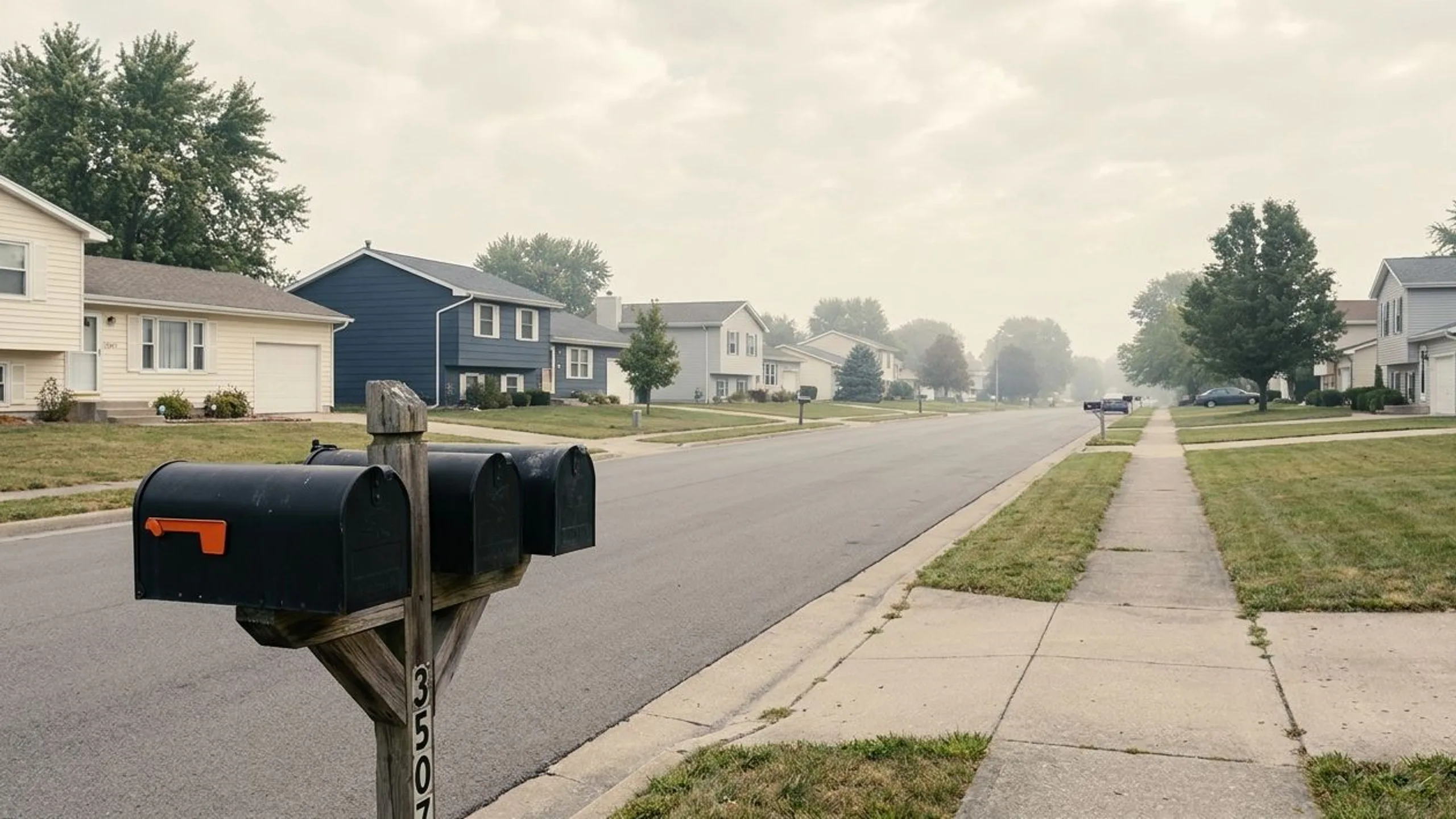
Weekend night (Friday or Saturday, 9-11 pm): this is the most revealing visit. Is the neighborhood lively (good restaurants, walkable nightlife) or sketchy (loitering, vandalism)? Drive slowly, lock your doors, and see what you see.
Things to specifically observe:
- Are houses well-maintained (manicured lawns, painted trim, intact fences)?
- Are sidewalks safe and clean?
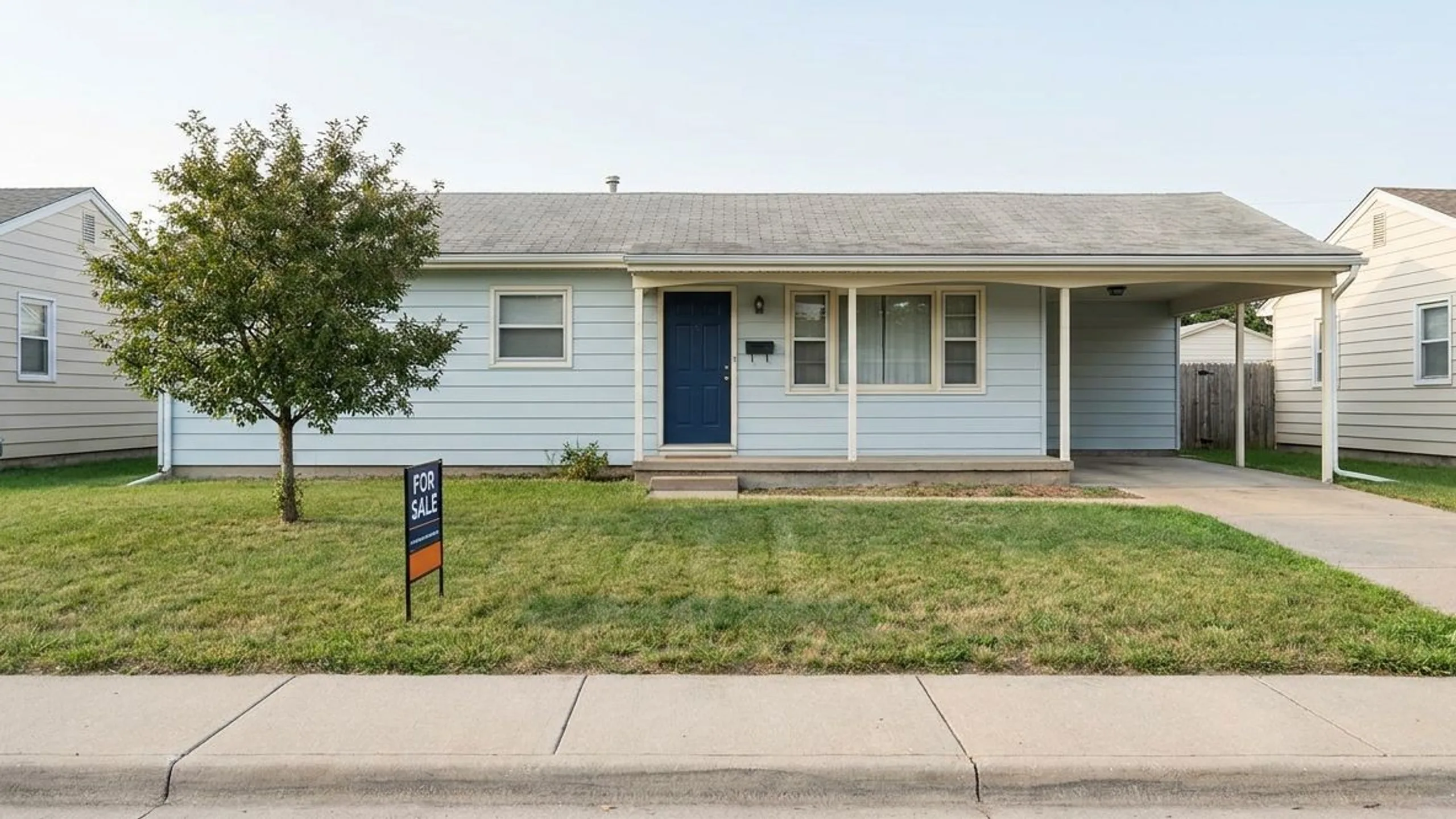
- How many "for rent" signs vs "for sale" signs? Lots of "for rent" suggests landlord saturation.
- How many cars on blocks or boats in driveways? These signal a less-stable resident base.
- What's the noise level?
A neighborhood that looks great on Zillow at noon may look completely different at 10 pm on a Friday. Both perspectives matter.
Step 6: Talk to residents and a property manager
Online research and drive-throughs miss what residents know. Spend 30-60 minutes talking to people:
Residents:
- Park, walk a dog, sit on a coffee shop patio. Strike up casual conversations.
- Ask: "How long have you lived here? What do you like? What would you change?"
Property managers:
- Find one who manages rentals in your target neighborhood. Their interest is your interest (they want a stable, paying tenant for the long term).
- Ask: "What's the average vacancy in this neighborhood? How long does it take to fill a vacancy? What rent does a unit like this actually lease for? What goes wrong in this area?"
- A 30-minute conversation with a local PM tells you more than 5 hours of online research.
This local intelligence is the single highest-ROI hour you'll spend on the entire deal.
Step 7: What's planned nearby, and what rules apply?
Zoning changes and new construction can either help or hurt your investment:
Helpful:
- New transit (light rail, bus rapid transit) usually lifts property values
- Major employer announcements within a 5-mile radius
- New schools, especially good ones
- Mixed-use development (apartments + retail) within walking distance
Harmful:
- Major industrial or warehouse development that affects traffic or noise
- Highway expansion that runs new lanes through residential areas
- New apartment supply that exceeds local demand (will compress your rents)
Check the city's planning department website. Most U.S. cities publish proposed zoning changes, building permits, and development plans publicly. You're looking for plans 18-36 months out, since they affect the property after you've owned it for a year or two.
While you're on the city's site, check the landlord rules. Some cities require rental registration, a license, or an inspection before a tenant moves in, and some restrict short-term rentals. Search the address for open code violations too.
Last, pull the address on the FEMA National Flood Hazard Layer. A property in a high-risk flood zone with a federally backed mortgage needs flood insurance, which can change your cashflow math from Step 1.
Fair housing: research the place, not the people
Everything above is about the neighborhood. That's fair game. Using it to choose who you rent to is not.
The Fair Housing Act bars housing discrimination based on race or color, religion, sex, national origin, familial status, and disability. Familial status covers families with children under 18. So "family neighborhood" is a fine reason to buy a 3-bedroom, but never a reason to accept or reject an applicant.
Ask a property manager about vacancy, rent, and turnover, not a demographic "tenant profile." Screen every applicant on the same written criteria, like income and rental history. Many states and cities add more protected classes, so check yours.
Putting it together: a one-page checklist
| Step | What | Time | Pass criteria |
|---|---|---|---|
| 1 | Rental yield calculation | 15 min | Yield 6%+ for cashflow strategy |
| 2 | Crime data (FBI + local) | 20 min | Trend stable or declining; absolute level acceptable for tenant pool |
| 3 | School ratings | 10 min | 6+ for family rentals; less critical otherwise |
| 4 | Census tract data | 30 min | Median income at least 3x annual rent; positive migration |
| 5 | In-person visits (3 times) | 4-6 hrs | Pride of ownership visible; safe at night |
| 6 | Local conversations | 1 hr | Residents positive; PM confirms vacancy below 8% |
| 7 | Developments, rules, flood map | 45 min | No rent-compressing supply; rental rules you can live with; flood cost priced in |
If a neighborhood passes all 7 filters, it's a strong candidate. If it fails 1-2, evaluate whether the failure is fixable (e.g., a school rating change after a new bond passes) or structural (e.g., a major employer leaving).
When this process doesn't fit
- You're buying for appreciation, not cashflow. Step 1 will fail most growth neighborhoods, so lean on the trends in Step 4 and the plans in Step 7. Not sure which strategy fits you? Try the strategy finder.
- You're house hacking. You'll live there, so the visits and resident conversations count more than the yield bands.
- New construction areas. There's no rent history yet. Borrow numbers from the closest comparable neighborhood.
Frequently Asked Questions
How many neighborhoods should I research before picking one?
Aim for 5-7 candidate neighborhoods within your chosen city. After Steps 1-4 (online filters), you should narrow to 2-3 finalists. Then visit those finalists in person. Trying to visit more than 3 neighborhoods in person burns time without adding much useful signal.
What are red flags in a neighborhood?
Rising crime over 3 years, many homes for rent next to few for sale, boarded or poorly kept houses, a major employer leaving, and planned apartment supply that outruns demand. For a rental, add gross yield below 6% when you need cashflow, and a high-risk flood zone you didn't price in.
What if the FBI crime data is outdated for my neighborhood?
The FBI Crime Data Explorer typically lags by 12-18 months. For more current data, check your city's police department open-data portal. Most major U.S. cities (Chicago, NYC, LA, Houston, Phoenix) publish daily incident data. Smaller cities are more variable, so call the department if nothing is posted.
How important are school ratings if my tenants won't have kids?
Less important for the rental income directly, but still important for property value. Buyers (when you eventually sell) often filter by school district. A property in a 7+ school district resells faster and at higher multiples than the same property in a 4-rated district, even if both rented for the same amount.
Can I skip the in-person visit if I'm investing out-of-state?
Don't. Either visit yourself before buying (cheaper than buying wrong) or pay a trusted local person to do the same walking and report back. A $400-600 trip is trivial next to buying the wrong neighborhood. See out-of-state vs local real estate investing for managing it remotely.
How do I know if a neighborhood is going up or down?
Compare the 5-year sale-price trend with the 5-year rent trend. Both rising, with working-age people moving in, usually means it's improving. Both flat or falling while people leave means decline. Rising prices with flat rents is the tricky case: prices are moving faster than rental demand, so be cautious.
What about climate risk for the neighborhood specifically?
Check the FEMA flood map for the address. In a high-risk flood zone, a federally backed mortgage requires flood insurance, which can wreck cashflow. Wildfire risk maps from CalFire (California) and similar state agencies are worth checking in fire-prone regions. Climate risk is property-specific, not just neighborhood-level.
Neighborhood research takes 6-8 hours done right. The 8th hour saves you from a 5-year mistake. Don't skip it because the deal looks good on paper. The free PDF guide lays out the whole first-rental sequence in order. Week 2 of the 28-day course narrows a city to a specific submarket with real data, starting from markets like those in best cities for first-time real estate investors in 2026.
This article is education, not financial, legal, or tax advice. Real estate carries risk, and the numbers here are examples. Check them against your own market and talk to a licensed professional before you buy.