In this article7 sections
A note before this starts: this is a walkthrough of the course's actual structure and lesson sequence, built from the real curriculum, not a story about a specific student. We're not going to pretend a named person went through this and hit a specific number, because that hasn't happened yet in a way we could honestly report. What follows is exactly what anyone enrolling this week would work through, in order.
This is for people considering the course who want to know what a day actually involves before committing, beyond the marketing copy. Each day pairs one short lesson (2-6 minutes) with one concrete task. The tasks build a single cumulative file, your buy box, your city shortlist, your financing plan, your deal analysis, rather than sitting as disconnected exercises.
Key Takeaways
- The course runs four weeks: Foundations, Market Selection, Financing & Setup, and Deal Analysis & Closing.
- Every one of the 28 lessons is available immediately on enrollment. There's no daily release schedule forcing you to wait.
- Each day's task adds to a working file you carry through the whole sequence, not a one-off worksheet you finish and discard.
- By day 28, the tangible output is a real offer you've written, priced against real numbers, on a real property you've analyzed.
Week 1: Foundations
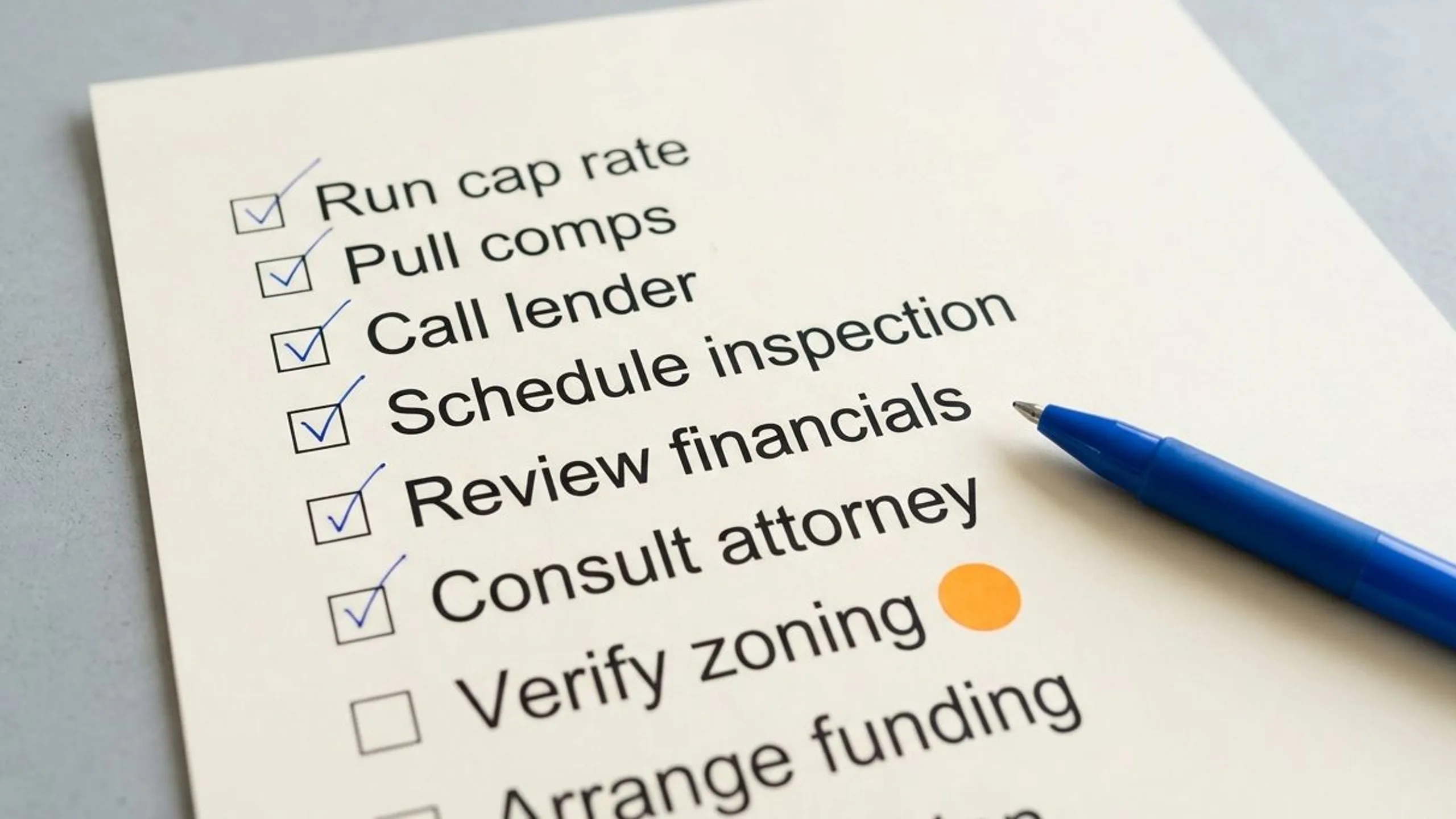
Week one is about vocabulary, strategy, and honest self-assessment before any market talk starts. Days include setting up an investor workspace, learning to read ROI, cap rate, and cash-on-cash return, picking an investing strategy, figuring out what you can actually afford, planning for taxes, and setting personal investing rules. The week ends with building a buy box, the specific criteria (price range, property type, target return) that every property you consider from here on gets measured against.
The output at the end of week one isn't a feeling of being more informed in the abstract. It's a written buy box you'll reuse every week after this one.
Week 2: Market Selection
Week two narrows a broad "I want to invest somewhere" impulse into a specific city and submarket, using real data instead of vibes. The sequence moves from shortlisting three to four candidate cities, to vetting each with the right data sources, to finding the right neighborhood within your chosen city, to scoring that neighborhood on a defined scale rather than a gut feeling.
This is the week that most directly answers "I don't know which city to pick," which is one of the most common reasons people stall out before ever looking at a real listing.
Week 3: Financing & Setup
Week three moves from research into paperwork and lender conversations: setting up an LLC and business banking, prepping loan documents, navigating the mortgage process (the CFPB's home-buying resources are a useful independent reference alongside this week's lessons), choosing which lenders to apply with, applying for pre-approval, and comparing loan offers to pick one. By the end of this week you're not hypothetically financeable, you have an actual pre-approval and a chosen lender.
Week 4: Deal Analysis & Closing
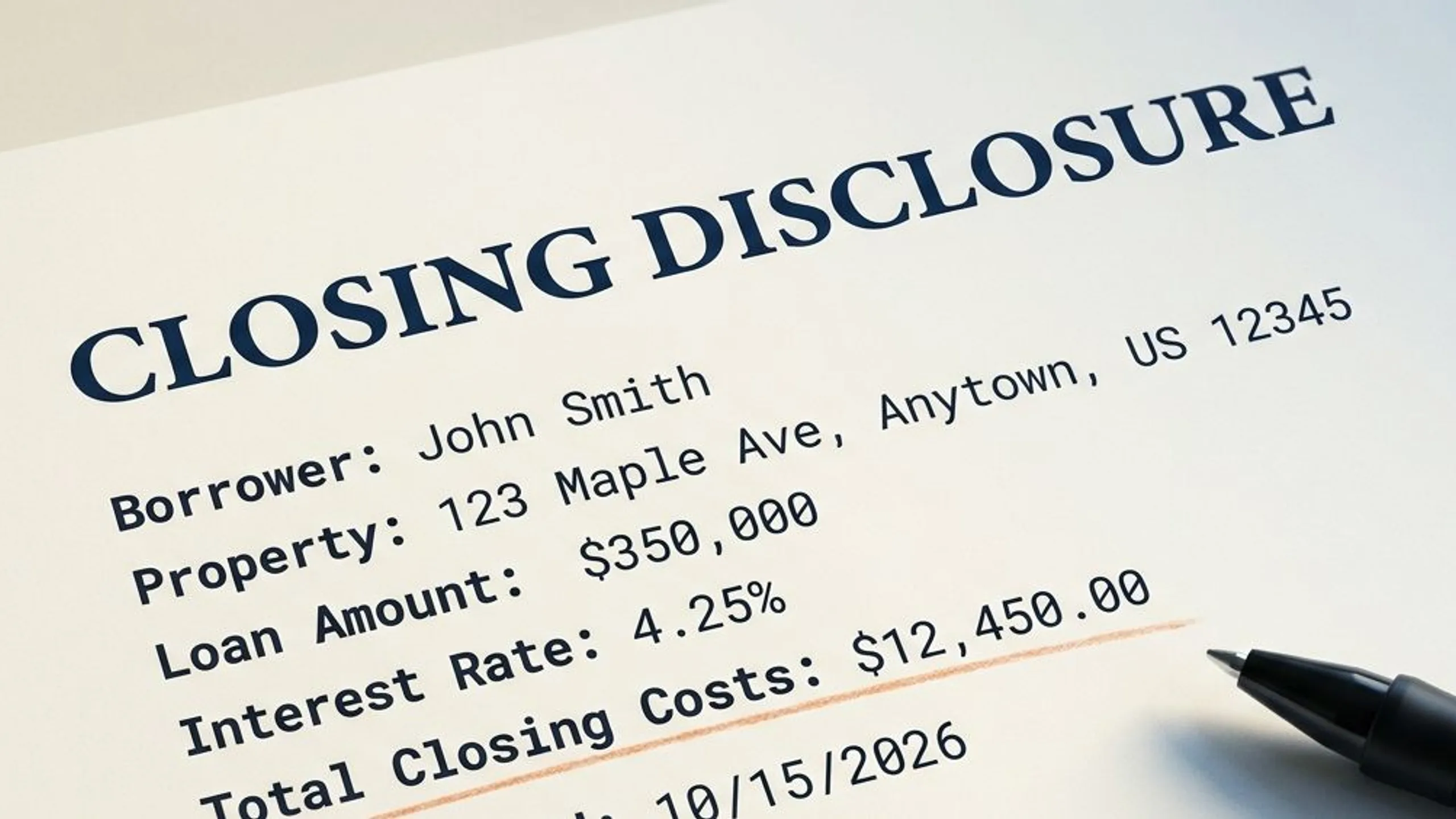
Week four is where everything built in the first three weeks gets applied to real listings: finding deals consistently, reading a listing in three minutes, determining what a property is really worth, running the numbers with a calculator, and picking your first deal. From there: touring and inspecting the property, writing your first real offer, handling title, escrow, and insurance, closing, taking over the property, and finally planning your next 90 days. Once you own it, residential rental property depreciates over 27.5 years per IRS Publication 527, a detail week four flags but doesn't go deep on, since it's a tax topic worth a conversation with your own accountant.
By day 28, the output is concrete: a written, analyzed, submitted offer, not a vague sense of readiness.
What the daily rhythm actually feels like
Each day is designed to take a focused chunk of time, not a full evening. The lesson is short (2-6 minutes) specifically so it doesn't become the excuse to skip the task. The task is the actual point: it's what moves your buy box, city shortlist, financing status, or deal analysis forward by one concrete step.
Because all 28 lessons are available immediately, the "one day per lesson" pacing is a suggestion, not a requirement. Someone with more free time in a given week can move through several days' worth of lessons in one sitting; someone with a busier week can pause without losing access to anything.
What this sequence doesn't do
In the interest of the same honesty this whole walkthrough is built on: the course doesn't guarantee a closed deal by day 28. Market conditions, lender approval, and negotiation outcomes aren't inside anyone's control, course or otherwise. What day 28 guarantees is a completed, well-analyzed, submitted offer, built on a sequence rather than guesswork. Whether that specific offer gets accepted is a different question than whether the process that produced it was sound.
The course also isn't a broad ongoing education library. For an outside view of the same product, the course review is the more skeptical read. If you finish and want to keep learning about strategies beyond your first deal (commercial, syndications, scaling a portfolio), that's a different, later need. See our comparison with BiggerPockets Pro for how the two fit together after day 28. If you'd rather sample the framework before enrolling, the free PDF guide covers a lighter version of weeks one and two.
Frequently Asked Questions
Do I have to do one lesson per day exactly?
No. All 28 lessons and tasks are available the moment you enroll. The daily structure is a recommended pace for people who want steady progress without burning out, not a drip schedule that locks content behind time gates.
What if I already know some of this, can I skip ahead?
Yes. Because everything is available immediately, you can move through familiar material quickly and slow down where you actually need it. The sequence still matters (later weeks build on the buy box and city choice from earlier ones), but the pace is entirely yours.
Is this walkthrough based on a real student?
No, and we want to be direct about that. This describes the actual lesson structure and sequence anyone enrolling works through, not a specific person's results. We won't publish a "here's exactly what Sarah made" story until we have real, consented outcomes to report honestly.
What do I actually have by the end, physically or digitally?
A completed buy box, a chosen city and neighborhood with the research behind it, a mortgage pre-approval with a selected lender, a fully analyzed deal, and a written offer submitted on a real property. It's a working file you built cumulatively, not a certificate.
Is the course open for enrollment right now?
Yes. Enrollment is open now for $299, one-time payment, lifetime access.
This walkthrough is deliberately unglamorous: no dramatic before-and-after, just the actual sequence, week by week, day by day. That's the point. The course sells structure and sequence, not a story, and the fastest way to evaluate whether that fits you is seeing exactly what the 28 days involve before you commit.
This article is education, not financial, legal, or tax advice. Real estate carries risk, and the numbers here are examples. Check them against your own market and talk to a licensed professional before you buy.