House Hacking Statistics (2026): The Numbers
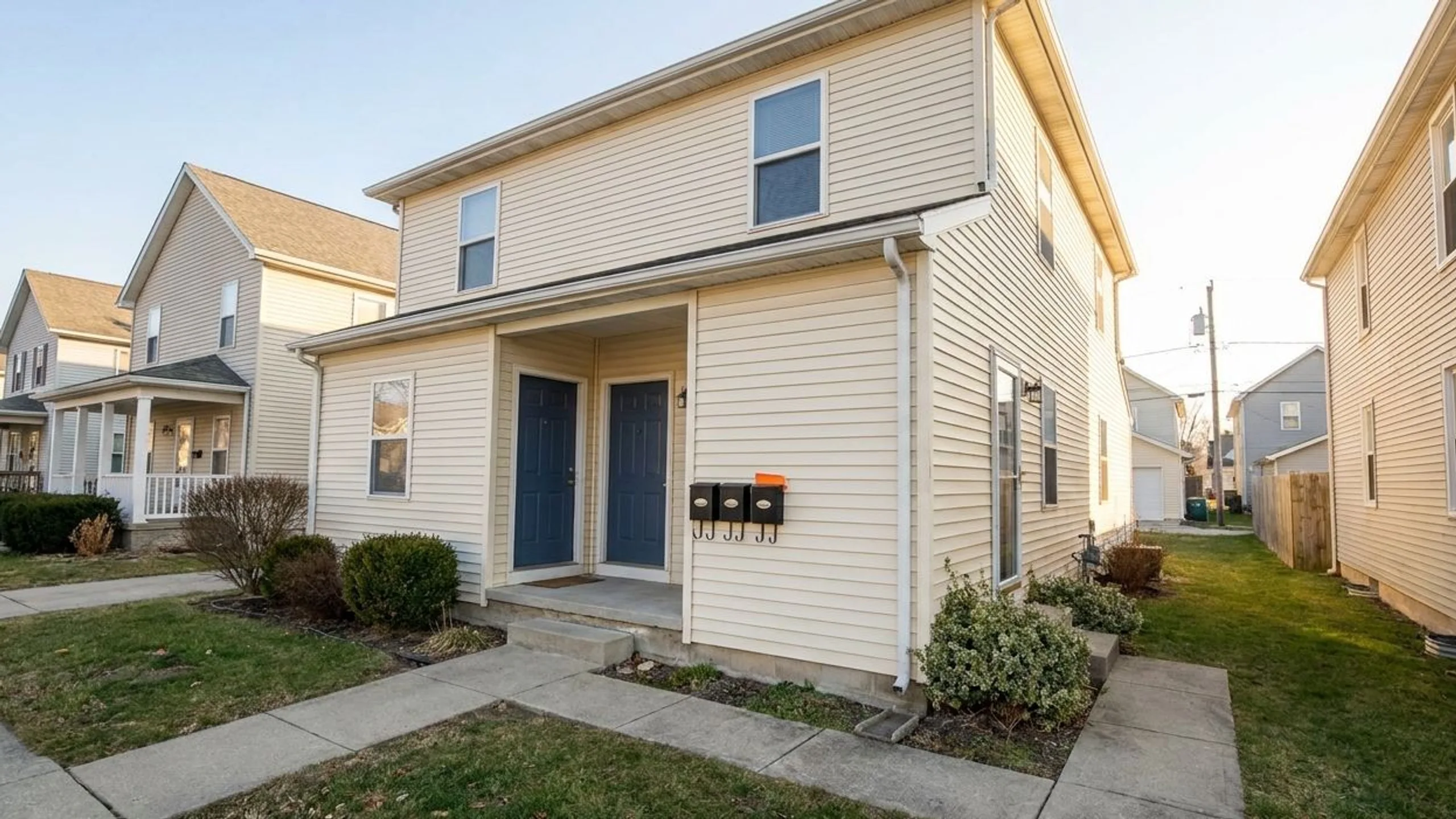
House hacking, buying a small property, living in one part, and renting the rest, is the most accessible entry point in real estate investing, and the 2026 numbers show why. You can buy with as little as 3.5% down on up to a four-unit property, at a time when 49% of renters are cost-burdened and the 30-year mortgage rate sits at 6.49%. Those figures are exactly why offsetting your housing cost with rent has become such a powerful move.
This article is for beginners who want the data behind the strategy, every figure sourced and reproducible. We have gathered the key statistics on house-hacking financing, the affordability backdrop that makes it attractive, and the demand signals that keep the rented side occupied.
Key Takeaways
- 3.5% down on a 1-to-4-unit owner-occupied property with an FHA loan (HUD).
- 65.3% U.S. homeownership rate, Q1 2026 (Census).
- 49% of renters (22.7 million households) were cost-burdened in 2024, a record high (Harvard JCHS).
- 6.49% average 30-year mortgage rate, July 2026 (Freddie Mac via FRED).
- 7.3% national rental vacancy rate, Q1 2026 (Census).
- Median gross rent ranges from about $883 (West Virginia) to $2,104 (California) by state (Census ACS).
The financing numbers
House hacking runs on owner-occupied financing, and the numbers are what make it work:
- 3.5% down payment. An FHA loan requires as little as 3.5% down on a 1-to-4-unit property you live in. On a $250,000 duplex, that is about $8,750.
- Up to 4 units. FHA financing covers one to four units, so a duplex, triplex, or fourplex all qualify, as long as you occupy one unit.
- 6.49% mortgage rate. The 30-year fixed rate averaged 6.49% in July 2026 per Freddie Mac data on FRED, up sharply from the sub-3% rates of a few years ago, which is precisely why offsetting the payment with rent matters more now.
The combination is the point: a small down payment on a property whose extra units help cover a mortgage that is more expensive than it used to be.
Because the down payment is a fixed 3.5%, it scales cleanly with price, which makes the entry cost easy to estimate:
| Purchase price | FHA down payment (3.5%) |
|---|---|
| $150,000 | $5,250 |
| $250,000 | $8,750 |
| $350,000 | $12,250 |
| $450,000 | $15,750 |
Those figures are the down payment only. Budget separately for closing costs (often another 2% to 5% of the price) and cash reserves, which lenders want to see and which you will need for the first repairs and any early vacancy while you get the other units rented out.
The affordability backdrop
The reason house hacking has surged in interest is that renting has become punishing:
- 49% of renters are cost-burdened. In 2024, 22.7 million renter households spent more than 30% of income on housing, a record high for the fourth straight year, per Harvard's Joint Center for Housing Studies.
- Costs outran incomes. Between 2019 and 2024, renters' median housing costs rose 38% while incomes rose just 28%, per the same research.
- 65.3% homeownership. The U.S. homeownership rate was 65.3% in Q1 2026 per Census data, which leaves roughly a third of households renting, many of them stretched.
Against that backdrop, HUD's 30% cost-burden threshold is a wall a lot of renters have hit. House hacking is one of the few strategies that turns your own housing cost from a burden into an asset. Our expanded house hacking statistics page adds a state-by-state table of two-to-four-unit housing stock and a five-year rent-versus-price trend for the 50 largest metros.
The demand numbers
The rented side of a house hack depends on tenant demand, and the data is supportive:
- 7.3% rental vacancy. The national rental vacancy rate was 7.3% in Q1 2026 per Census data, meaning the large majority of rental units are occupied.
- Rents that carry a mortgage. Median gross rent ranges from about $883 in West Virginia to $2,104 in California by state, per Census ACS 2024 data, so in most markets a unit or two of rent makes a real dent in the payment.
- Steady mid-term demand. The U.S. Bureau of Labor Statistics projects about 189,100 registered nurse openings per year over the 2024 to 2034 decade, a reminder that traveling medical staff are a durable furnished-rental tenant pool near hospitals.
What the numbers mean for a beginner
Put the statistics together and the strategy tells a clear story. Rents are high and rising faster than incomes, which is bad news if you are only a renter and good news for the rental side of a house hack. Mortgage rates are elevated, which makes the down payment and monthly cost harder, which is exactly why using tenant rent to offset your payment is so valuable right now. And the low FHA down payment keeps the barrier to entry within reach.
None of this guarantees a good deal. A specific property still has to pencil, with real rents, real taxes, and real vacancy assumptions. But the macro numbers explain why house hacking has become the default first move for so many beginners: it takes today's hardest conditions (expensive rent, expensive mortgages) and turns them into the reason the strategy works.
Frequently Asked Questions
How much do you need to house hack?
With an FHA loan, as little as 3.5% down on a 1-to-4-unit property you live in, per HUD. On a $250,000 duplex that is about $8,750, plus closing costs and reserves. The low down payment is the core reason house hacking is the most accessible entry point in real estate investing.
Is house hacking still worth it in 2026?
The numbers make the case stronger, not weaker. With 49% of renters cost-burdened in 2024 per Harvard's Joint Center for Housing Studies and the 30-year mortgage rate at 6.49% in July 2026, offsetting your own housing cost with tenant rent is one of the few ways to make today's prices and rates work for a beginner.
What percentage of income should go to housing?
HUD considers a household cost-burdened when housing exceeds 30% of income, and severely burdened above 50%. In 2024, 22.7 million renter households (49%) were cost-burdened. House hacking directly attacks that number by using rental income to cut or erase your own housing payment.
How many units can you buy with an FHA loan for house hacking?
Up to four. FHA loans are available on 1-to-4-unit properties with as little as 3.5% down, as long as you occupy one of the units as your primary residence. That is why a duplex, triplex, or fourplex is the classic house-hacking purchase.
House hacking is not hype, it is a response to the numbers: high rents, high rates, and a low-down-payment loan that lets tenant income do the heavy lifting. If the data makes the case, the next step is learning to run it on a real property. Start with house hacking for beginners, see where the math works best in the best cities for house hacking, and run your own numbers in the free house hacking calculator. The 28-day course walks the whole strategy in order.