
In this article9 sections
A mid-term rental (MTR) is a furnished home rented for 30 days or more, usually one to six months at a time. It sits between the nightly world of short-term rentals (STR) like Airbnb and the year-long world of long-term rentals (LTR). For a beginner, the appeal is simple: a mid-term rental often earns more than a standard lease, with far less of the cleaning-and-turnover grind of a vacation rental.
This article is for first-time investors deciding how to rent out a property, and for anyone who has heard the term and wants a plain-English breakdown before committing. We will define it, show who actually rents these, compare it head to head with short-term and long-term rentals, and walk through the honest pros and cons.
Key Takeaways
- A mid-term rental is a furnished unit leased for 30 days to about 12 months, most commonly 1 to 6 months.
- Typical tenants are traveling nurses, people relocating, insurance-displaced families, remote workers, and corporate assignments, not tourists.
- A mid-term rental usually earns more than a long-term lease and less than a peak short-term rental, with fewer turnovers than STR and more flexibility than LTR.
- Because tenants stay for months, you avoid nightly cleaning, most local short-term-rental bans, and constant re-listing.
- The main downsides are furnishing cost upfront and demand that depends on local employers, hospitals, and universities.
What is a mid-term rental?
A mid-term rental is a residential property leased furnished, with utilities usually included, for a stay of 30 days or longer. The 30-day line matters for two reasons. It is long enough to fall outside most cities' short-term-rental rules (which target nightly stays), and it usually makes the arrangement a standard lease rather than a hotel-style booking.
Most mid-term stays run one to six months. The tenant shows up with a suitcase, not a moving truck, because the place already has a bed, a couch, a stocked kitchen, and Wi-Fi. In exchange for that convenience, they pay a premium over a bare, unfurnished year-long lease.
If you are weighing the two ends of the spectrum first, start with short-term vs long-term rentals. Mid-term is the middle path between them.
Who actually rents mid-term
This is the part beginners underestimate. There is a large, steady pool of people who need a furnished place for a few months and do not want a hotel. The main groups:
- Traveling healthcare workers. Travel nurses and therapists take 13-week assignments and need housing near the hospital. Nursing demand is durable: the U.S. Bureau of Labor Statistics projects about 189,100 registered nurse openings per year through 2034, and travel nurses fill staffing gaps across the country.
- People relocating. Someone starting a new job in a new city often needs a few months to house-hunt before buying. Census tracking of annual mover rates shows a large share of the population changes residence in any given year.
- Insurance-displaced families. When a house floods or burns, the insurer pays for temporary housing while it is repaired. These stays are reliable and often insurer-funded.
- Remote workers. Remote work is no longer rare: 13.8% of U.S. workers worked primarily from home in 2023 per the Census Bureau, and some rotate between cities for months at a time.
- Corporate and project-based staff. Consultants, engineers, and contractors on multi-month projects.
Notice what these tenants have in common: a defined budget (often an employer or insurer is paying), a need for furnished space, and a stay measured in months. That is a calmer customer than a weekend tourist.
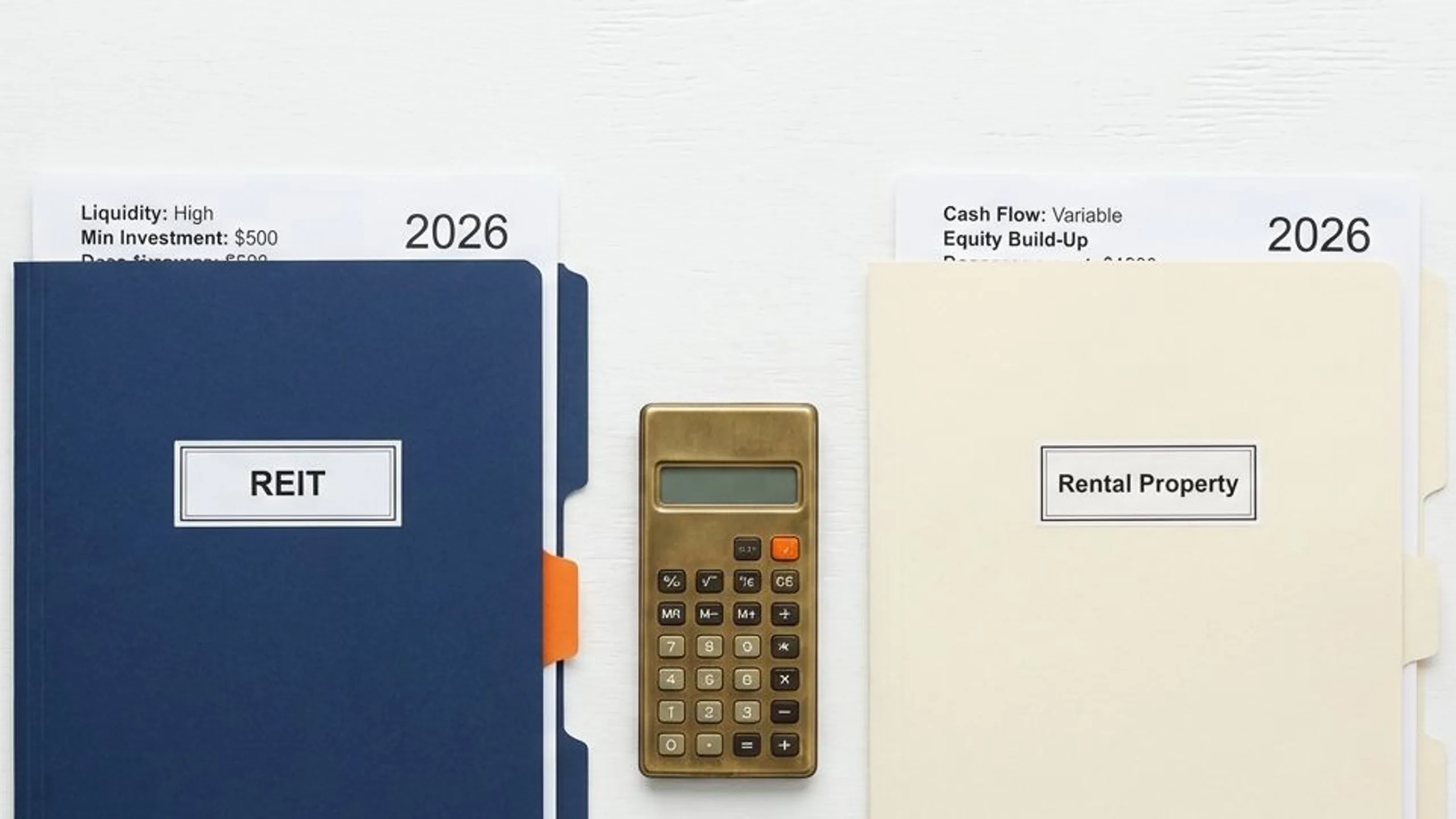
Mid-term vs short-term vs long-term
Here is the head-to-head that most single-company blogs skip:
| Factor | Short-term (STR) | Mid-term (MTR) | Long-term (LTR) |
|---|---|---|---|
| Typical stay | 1 to 29 nights | 1 to 6 months | 12+ months |
| Furnished | Yes | Yes | Usually no |
| Income potential | Highest at peak | Medium-high | Steady, lowest |
| Turnovers per year | Many | Few | Very few |
| Cleaning workload | High, every stay | Low, between tenants | Minimal |
| Vacancy risk | Seasonal swings | Gaps between tenants | Low once leased |
| Local regulation risk | High (STR bans) | Low | Low |
| Management effort | High | Medium | Low |
The pattern: STR earns the most per night but demands the most work and carries the most regulatory risk. LTR is the most passive but earns the least. MTR trades a little income for a lot less hassle than STR, while earning more than a standard lease. Fewer turnovers also means lower exposure to vacancy, which matters when the national rental vacancy rate sits around 7.3% per Census data.
For the short-term side specifically, see how to start an Airbnb investment and whether Airbnb is a good investment.
The income reality
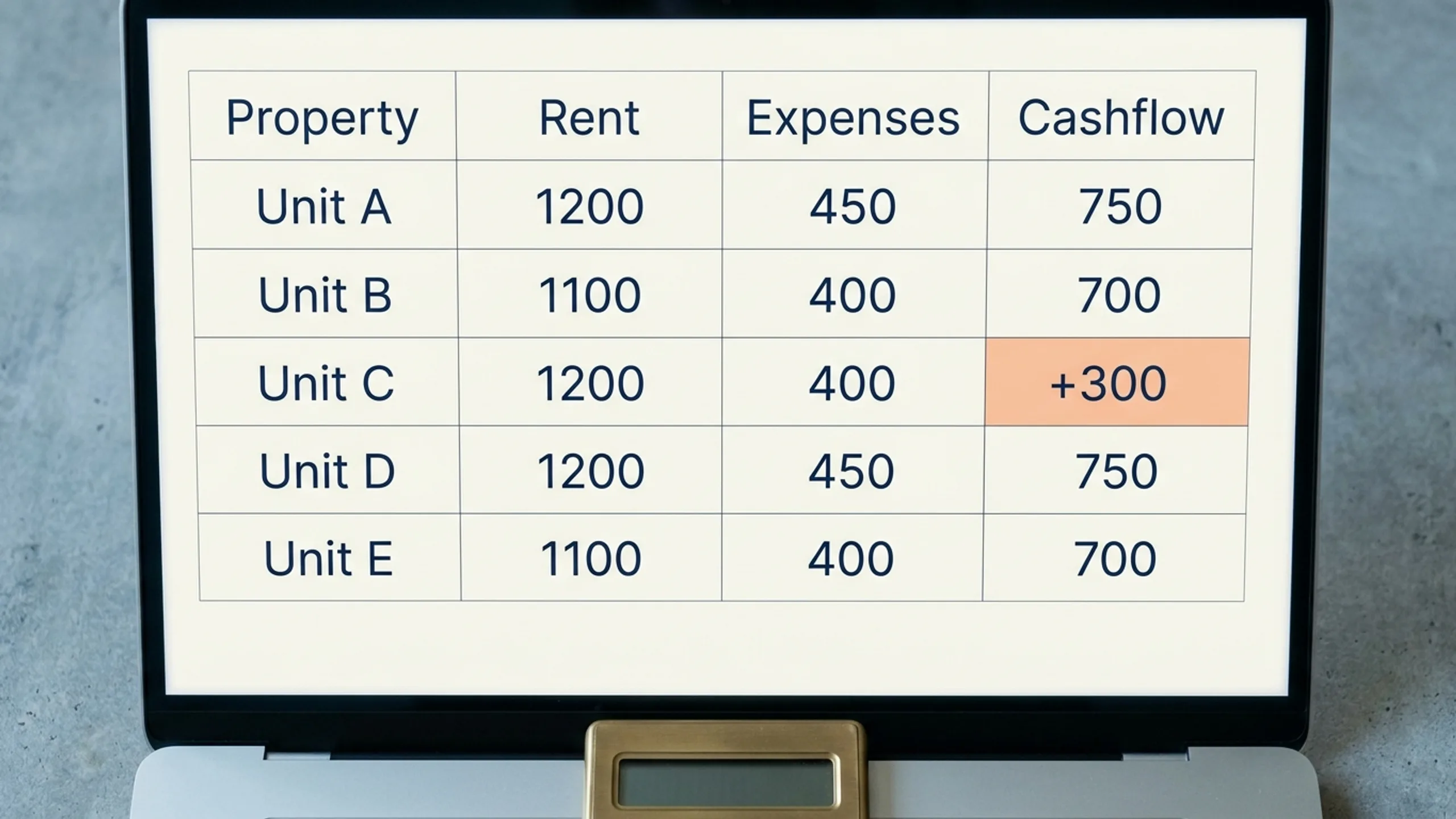
The common claim is that mid-term rentals earn 20% to 50% more than a comparable unfurnished long-term lease. That can be true, but treat it as a range, not a promise. The premium comes from three things: the unit is furnished, utilities and Wi-Fi are bundled, and the tenant is paying for convenience and flexibility.
The premium is not free money. You front the cost of furniture, you pay the utilities, and you carry the gaps between tenants. Run the actual numbers with a tool like cap rate before you assume the higher rent drops straight to your pocket. A mid-term rental that sits empty for two months between a nurse and a relocation can earn less that year than a boring 12-month lease.
The real pros
- Higher rent than a standard lease, without nightly pricing games.
- Fewer turnovers than STR. A three-month tenant means one clean every three months, not one every three days.
- Lower regulation risk. Most short-term-rental bans and permit rules do not apply to 30-day-plus stays. Always check your city, but the exposure is far lower.
- Reliable, often-funded tenants. Employers and insurers frequently pay the bill, which lowers the odds of missed rent.
- Flexibility. You can adjust rent between tenants far more often than a year-long lease lets you.
The real cons
- Furnishing cost upfront. Beds, sofa, kitchen, linens, and decor for a full unit can run several thousand dollars before the first tenant.
- Demand depends on location. MTR works best near hospitals, universities, corporate campuses, and relocation-heavy metros. In a quiet area with none of those, demand can be thin.
- Gaps between tenants. Unlike a 12-month lease, you re-market every few months, so a slow stretch means empty months.
- More management than LTR. You handle furnished-unit issues, utilities, and more frequent tenant transitions than a standard lease.
- Taxes and bookkeeping. Furnished, utility-included rentals have their own tax treatment. See short-term rental tax rules for the adjacent issues, and confirm your situation with a tax professional.
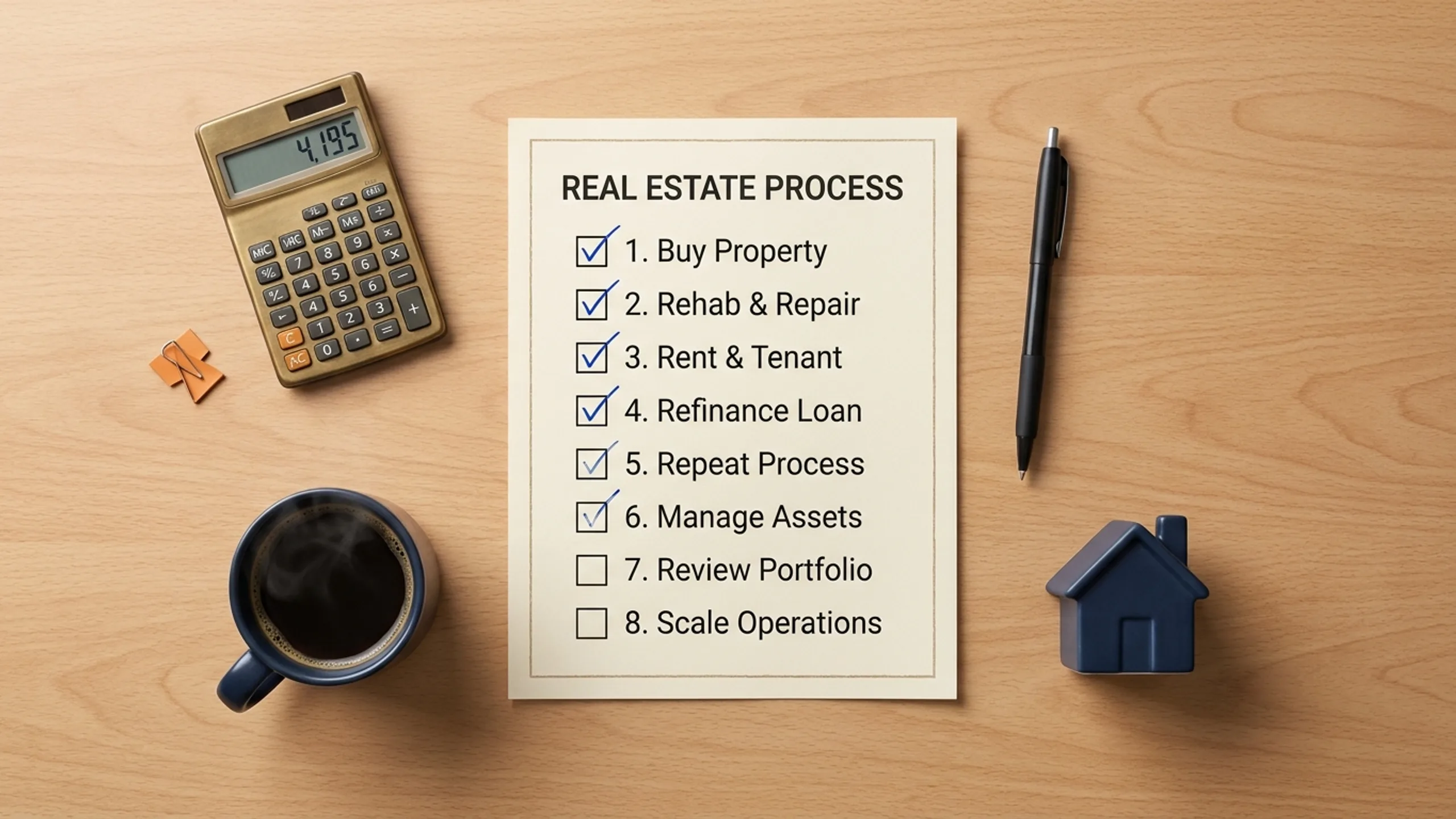
How to start as a beginner
- Check local demand. Is there a hospital, university, military base, or big employer within a few miles? Search furnished-rental platforms for your area to see what is listed and at what price.
- Confirm the rules. Read your city and HOA rules for the 30-day threshold. A mid-term rental usually clears short-term-rental bans, but verify.
- Run the numbers honestly. Add furnishing, utilities, higher management time, and realistic vacancy gaps. Compare the result to what the same unit would earn as a plain long-term lease.
- Furnish for durability, not luxury. Clean, comfortable, and hard-wearing beats expensive. You are housing working professionals, not staging a magazine shoot.
- List where the tenants are. Furnished-rental and corporate-housing platforms, plus local hospital and relocation channels.
Is a mid-term rental right for you?
A mid-term rental fits when your property is near steady demand (hospitals, employers, universities), you can afford the furnishing cost upfront, and you want more income than a lease without the seven-day-a-week feel of an Airbnb. It fits poorly when your area has no obvious source of months-long visitors, or when you need the most passive, hands-off income possible. In that case, a standard long-term lease is the calmer choice.
Frequently Asked Questions
What is a mid-term rental?
A mid-term rental is a furnished home leased for 30 days or more, usually one to six months. It falls between short-term vacation rentals rented by the night and long-term leases of a year or more. Utilities and Wi-Fi are typically included, and tenants pay a premium over an unfurnished lease for the convenience and flexibility.
How much more does a mid-term rental earn than a long-term lease?
Industry estimates commonly put the premium at 20% to 50% over a comparable unfurnished long-term lease, but it varies widely by market and is not guaranteed. The extra rent has to cover furniture, utilities, Wi-Fi, and the vacancy gaps between tenants, so always compare the net result to a standard lease before assuming a mid-term rental wins.
Who rents mid-term rentals?
Common tenants are traveling nurses and healthcare workers on 13-week assignments, people relocating for a new job, families displaced by insurance claims during home repairs, remote workers, and corporate or project-based staff. These renters need furnished housing for a defined number of months and often have an employer or insurer helping pay.
Do short-term rental laws apply to mid-term rentals?
Usually not. Most short-term-rental bans and permit rules target stays under 30 days, so a 30-day-plus furnished rental typically falls outside them. This is one of the main advantages of the strategy. You still must check your specific city, county, and HOA rules, since a few places regulate longer stays.
Is a mid-term rental better than an Airbnb?
Neither is universally better. Short-term rentals can earn more per night in tourist areas but demand heavy cleaning, constant management, and carry the highest regulation risk. Mid-term rentals earn a bit less but with far fewer turnovers and lower legal exposure. The right choice depends on your location, your time, and your local rules.
What does it cost to furnish a mid-term rental?
Furnishing a small unit typically runs a few thousand dollars for beds, a sofa, a dining set, a stocked kitchen, linens, and basic decor. Buy for durability rather than luxury, since your tenants are working professionals who value clean and functional space. Treat furnishing as an upfront capital cost when you run your returns.
Mid-term rentals are one of the most useful middle paths in real estate: more income than a lease, less grind than an Airbnb, and far less regulation risk than nightly rentals. The catch is honest demand and honest math, so check who near you actually needs furnished housing for a few months before you buy the furniture. To learn how to evaluate a property and its rental strategy from zero, start with the free PDF guide.
This article is education, not financial, legal, or tax advice. Real estate carries risk, and the numbers here are examples. Check them against your own market and talk to a licensed professional before you buy.