
In this article6 sections
Is a real estate investing course worth it? The honest answer: it depends on what you are actually buying. The information in any course is free somewhere online. What you pay for is structure, a clear sequence, and real tools that turn scattered content into a plan you trust. A course is worth it when the price is small next to the cost of a bad first decision, and it is a waste when you only want facts you could gather yourself, or when you are hoping to buy guaranteed returns that no honest course can sell.
This article is for beginners deciding whether to pay for a real estate investing course or keep learning free on YouTube. We will compare the real options, show what you are actually paying for, name the red flags of a scam course, and give you a checklist to judge any course before you spend a dollar.
Key Takeaways
- The information is free. Structure, sequence, and tools are what a course sells, and what most beginners are actually missing.
- A course is worth it when its price is small next to the cost of one avoidable mistake: a bad market, a bad lender, or an overpaid first deal.
- Free YouTube is great for curiosity and specific questions, and terrible at giving you a trustworthy order of operations.
- Red flags: guaranteed returns, get-rich-fast timelines, fake urgency, and lottery-style testimonials. Honest courses sell clarity, not dreams.
- Judge any course on process, not inspiration: real tools, real numbers, honest risk, and step-by-step actions.
What you are actually paying for
Almost every fact about real estate investing is free. You can learn what a cap rate is, how FHA loans work, and what house hacking means without spending a cent. So if the information is free, what does a course actually sell?
Three things beginners rarely have:
- Sequence. The order you do things in is the product. Knowing twenty concepts in random order is not the same as knowing which one comes first. A course arranges them into a path.
- Tools. Calculators, checklists, and templates that turn a concept into a decision. Watching a video about cash flow is not the same as running your actual deal through a house hacking calculator.
- One clear outcome. A finish line ("first-deal readiness") instead of an endless feed that always leaves you one more video away from starting.
If you already have those three, you may not need a course. If you have been consuming content for months and still cannot say what your next step is, that gap is exactly what a course fills.
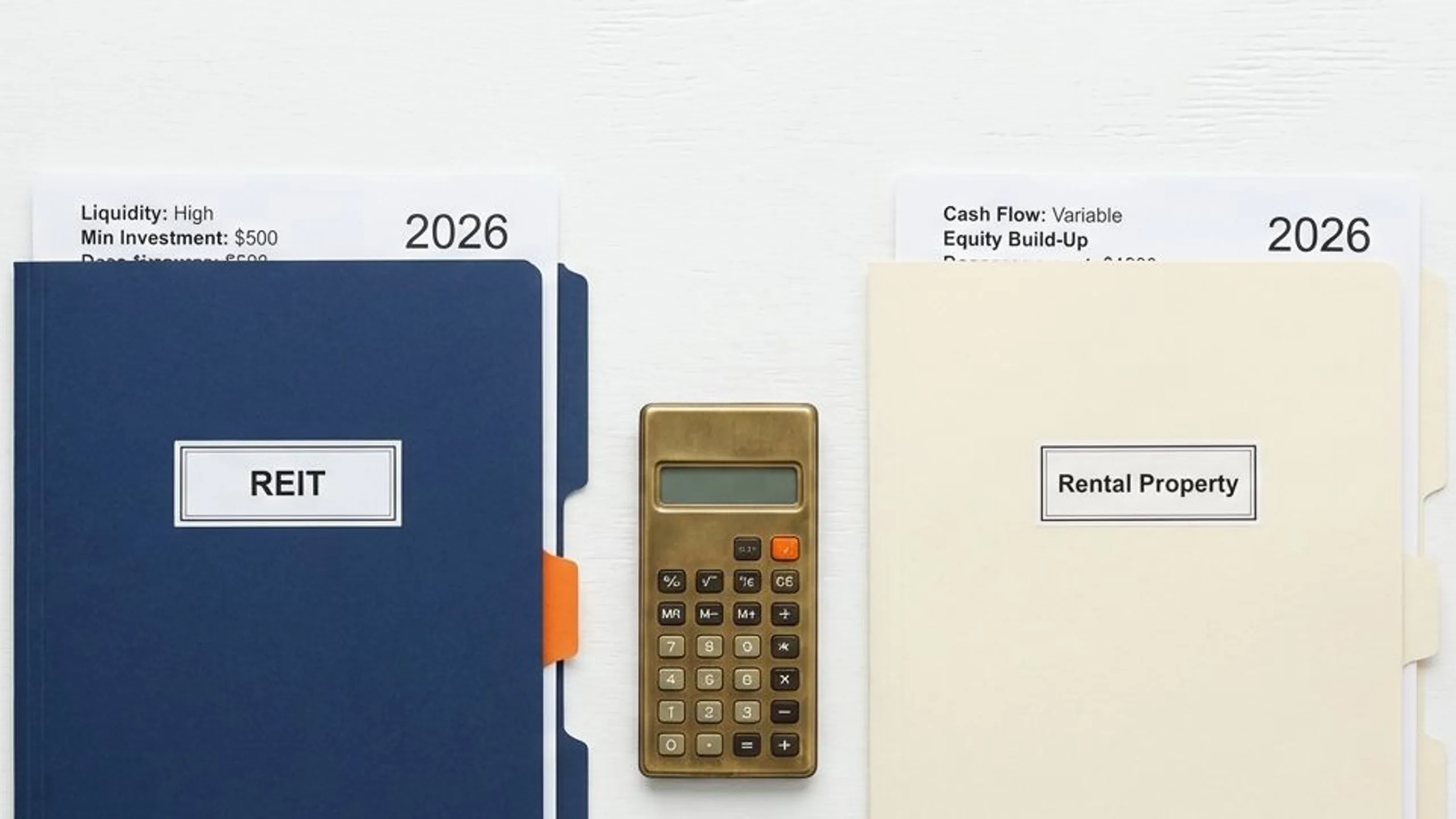
Course vs YouTube vs book vs coaching
Here is the honest comparison. Costs are general ranges and vary widely by provider.
| Option | Typical cost | What you get | Best for |
|---|---|---|---|
| Free videos (YouTube) | $0 | Abundant but scattered information, no order, mixed quality | Curiosity and one-off questions |
| A book | About $15 to $40 | Solid, linear foundations, but static and general | Cheap grounding before you commit |
| An online course | A few hundred to about $2,000 | Sequence, tasks, tools, and one clear outcome | Turning knowledge into action |
| One-on-one coaching | Several thousand and up | Personalized guidance and accountability | People who can afford hands-on help |
None of these is universally best. A book is a fine start. Free video answers a specific question well. Coaching helps if you can afford it. A course sits in the middle: more structure than free content, far cheaper than coaching. The question is whether structure is what you are missing.
The real cost is not the course price
Here is the reframe that matters. For a first-time investor, the course price is almost never the biggest number in the equation. The biggest number is the cost of a bad decision.
Consider market choice alone. The national median home value is about $332,700, while some affordable metros sit near $102,000. Choosing the wrong market, or overpaying in the right one, is a five- or six-figure swing. Against that, a few hundred dollars for a process that helps you avoid the mistake is cheap insurance, not an expense.
Financing swings the math too. A one-point move in the 30-year mortgage rate can change your monthly payment by well over a hundred dollars, and a good course teaches you to price that in before you sign. It matters more because most people cannot absorb a surprise. The Federal Reserve found that only 63% of adults could cover a $400 emergency with cash, which means a costly first-deal mistake is not a lesson for many buyers, it is a crisis. A course earns its price if it keeps you from the mistake that a normal budget cannot survive. See how much cash reserves to keep for why the cushion matters either way.
When a course is not worth it
A course is the wrong buy when:
- You just want information. If your question is "what is a DSCR loan," free content answers it in minutes. Do not pay for a definition.
- You will not do the work. A course is a set of actions. If you are looking for something to watch rather than something to do, you will not get value from any price.
- It promises returns. The moment a course guarantees a number or a timeline to riches, the price is irrelevant because the pitch is dishonest. Walk away.
- You cannot afford the reserves. If buying the course would leave you unable to fund a down payment and a real cash cushion, learn free for now and buy when the deal, not the course, is what you are ready for.
How to judge any course before you buy
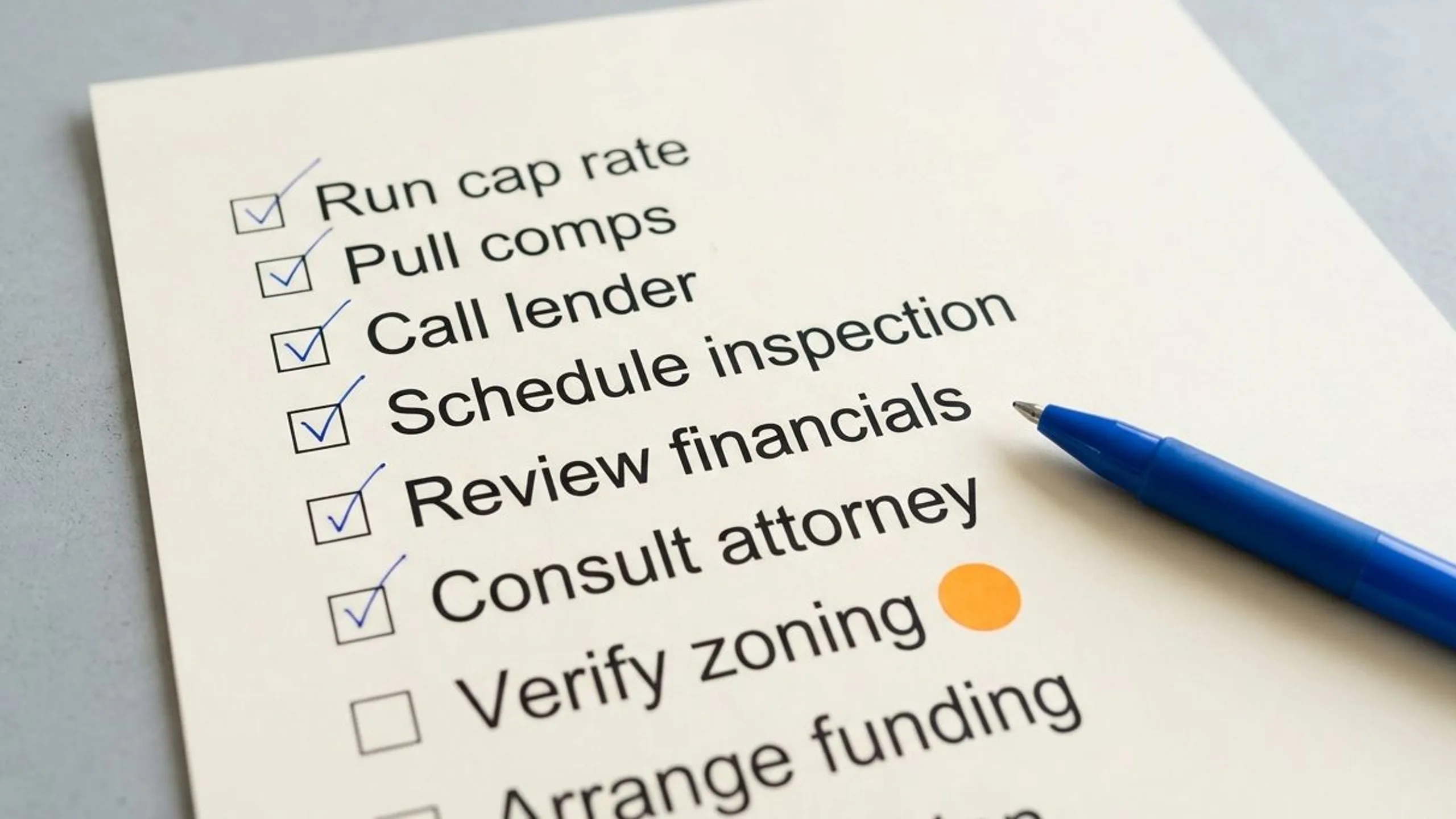
Run any course, including ours, through this checklist:
- Does it sell structure or dreams? Look for a clear sequence and a defined outcome, not "financial freedom" language.
- Are there real tools? Calculators, checklists, and templates beat video-only every time.
- Does it use real numbers and name real risks? Honest examples and downside coverage signal a course built to inform, not to hype.
- Is it action-first? Daily or step-by-step tasks, not passive lectures.
- Is the pricing and refund policy plain? No fake urgency, no mystery upsells.
If you want to see what a full 28-day syllabus actually contains before judging the category, the day-by-day walkthrough lays it out. For context on the exact path a good beginner course should follow, start with house hacking for beginners and the ranked best cities for house hacking, or grab the free strategy guide to find your starting direction before you pay for anything.
Frequently Asked Questions
Is a real estate investing course worth it?
It is worth it if you value structure, a clear sequence, and real tools, and you will actually do the work. It is not worth it if you only want information (that is free) or you are hoping a course hands you guaranteed returns (no honest course can). The deciding factor is whether the price is small next to the cost of a bad first decision.
Can you learn real estate investing for free?
Yes. The information is free and abundant on YouTube, blogs, and library books. What is not free is the sequence, the tools, and the months of your time it takes to assemble scattered content into a plan you trust. A course sells that structure, not information you cannot find elsewhere.
How much does a real estate investing course cost?
Online real estate courses typically range from a few hundred dollars to around $2,000, while one-on-one coaching or mentorship often starts at several thousand. Free videos and a $15 to $40 book sit at the other end. Judge any price against the cost of one avoidable mistake, not against free content.
Are real estate investing courses a scam?
Some are. The tell is the pitch: guaranteed returns, get-rich-fast timelines, fake urgency, and testimonials that read like lottery wins are red flags. An honest course sells structure, clarity, and mistake avoidance, is upfront about risk, and never promises specific returns.
What should a good real estate investing course include?
A clear sequence from zero to first-deal readiness, real tools like calculators and checklists (not just videos), specific numbers and examples, honest coverage of risk, and daily or step-by-step actions rather than passive lectures. If it is all inspiration and no process, skip it.
So, is a real estate investing course worth it? It is worth it when you are missing structure, not information, and when its price is small next to the cost of the mistake it helps you avoid. It is not worth it when you only want facts you could find free, or when the pitch promises returns instead of a process. If you want a sequenced path from zero to first-deal readiness with real tools and honest risk coverage, that is exactly what our 28-day course is built to be. If you are not there yet, keep learning free and come back when the numbers, not the marketing, tell you it is time.
This article is education, not financial, legal, or tax advice. Real estate carries risk, and the numbers here are examples. Check them against your own market and talk to a licensed professional before you buy.